OUR WELCOME GUIDE
A guide for our couples — what to expect, how we work, and how we’ll create something beautiful together.
Capturing candid, film-inspired stories for couples who value feeling over perfection.
01 - Welcome!!!!
First of all — thank you for trusting us with your wedding.
We truly believe that choosing a photographer is one of the most meaningful decisions you’ll make while planning your day. Long after the flowers are gone and the music fades, your photographs will be what bring you back to how everything felt.
Our approach is rooted in honesty, emotion, and storytelling. We’re not here to manufacture moments — we’re here to notice them.
Over the coming months we’ll be here to guide you, answer questions, and help create the best possible experience so that when your wedding day arrives, you can be fully present.
We’re so excited to be part of it.
— Jo & Dom
03 - What Happens Next
02 - Our Approach
Our style is a blend of documentary storytelling and intentional portraiture.
That means:
• We capture real moments as they naturally unfold
• We guide you when needed without making things feel staged
• We prioritize emotion, atmosphere, and connection
• We focus on how the day felt, not just how it looked
The goal is simple:
Photos that feel like memories, not productions.
05 - Getting Ready
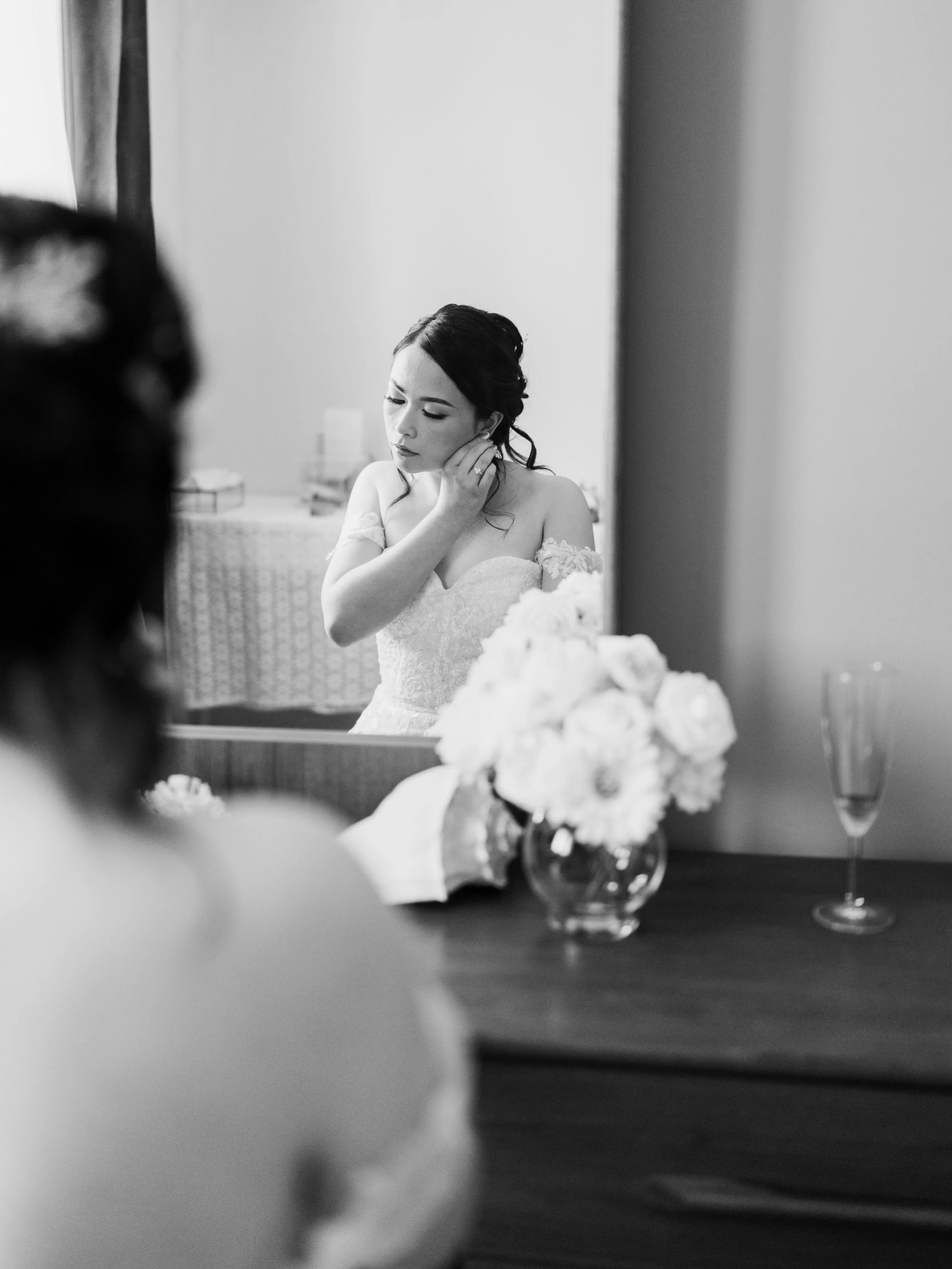
Getting ready photos set the tone for the entire gallery. Here are a few tips to make this part of the day beautiful and stress-free:
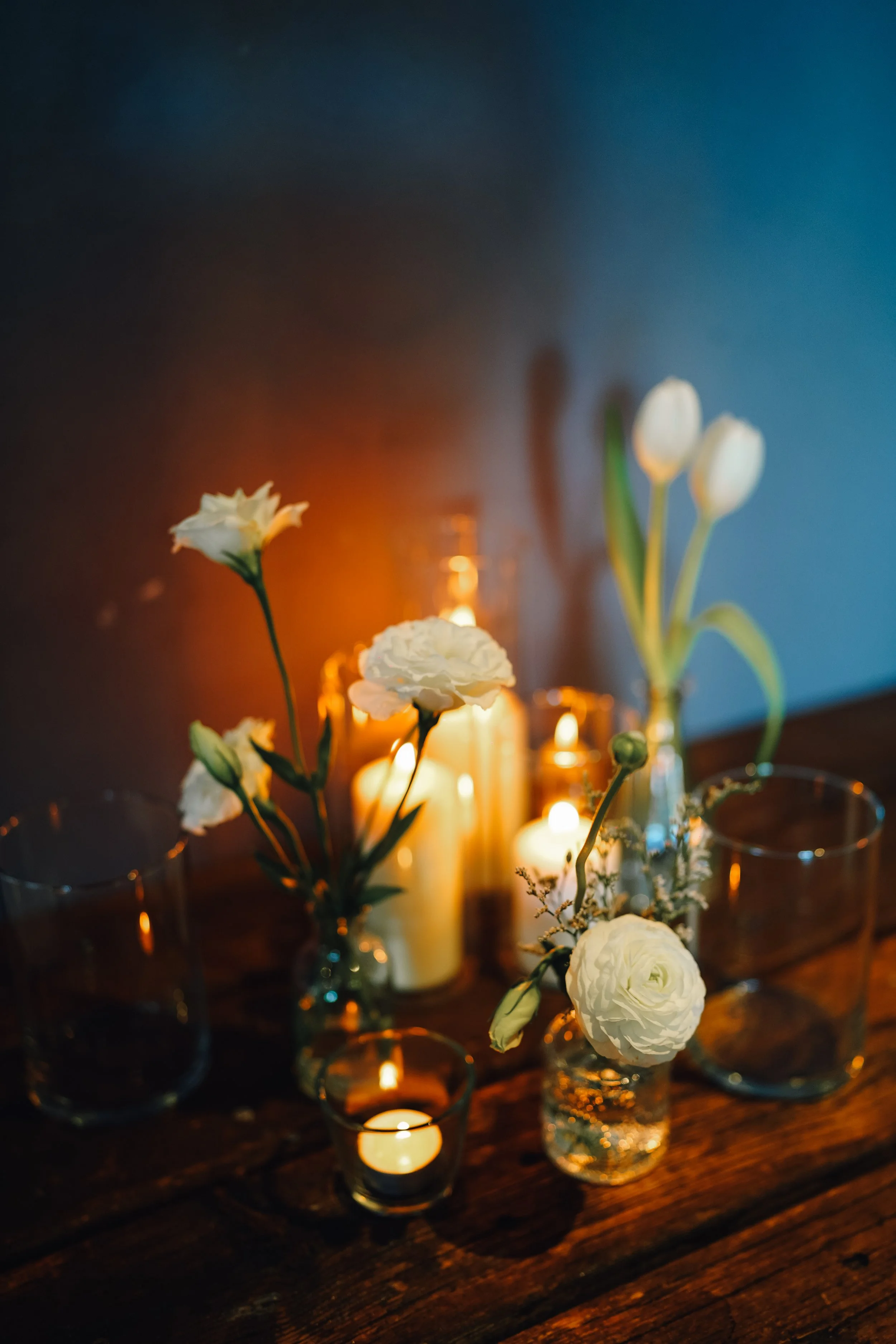
Choose a space with good natural light. Large windows make a huge difference.
Keep the entire space tidy. Simple backgrounds photograph best. Allow extra time. Bow tie malfunctions, Hair and makeup delays are very common.
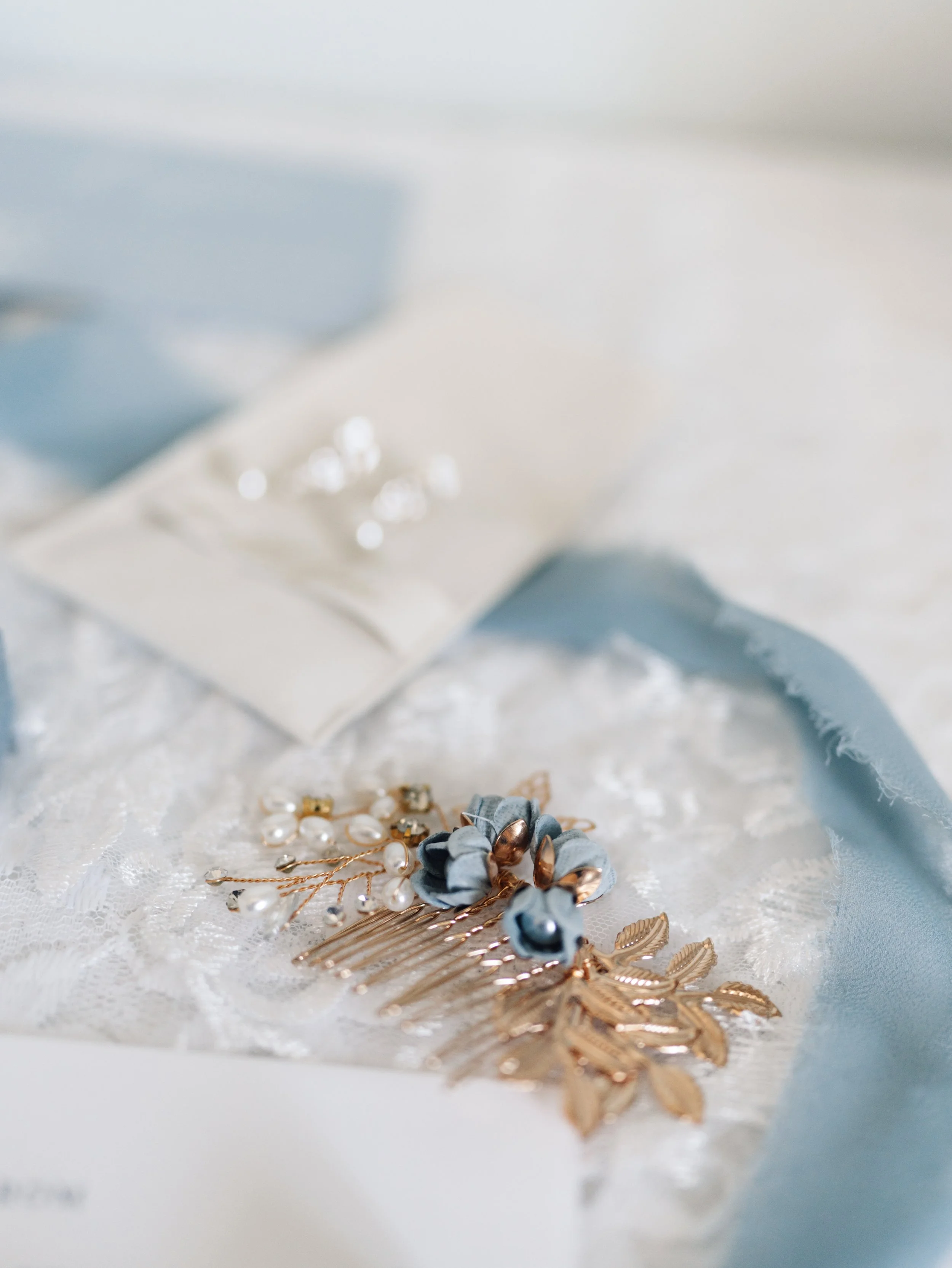
Have details ready. We recommend having these items in one place:
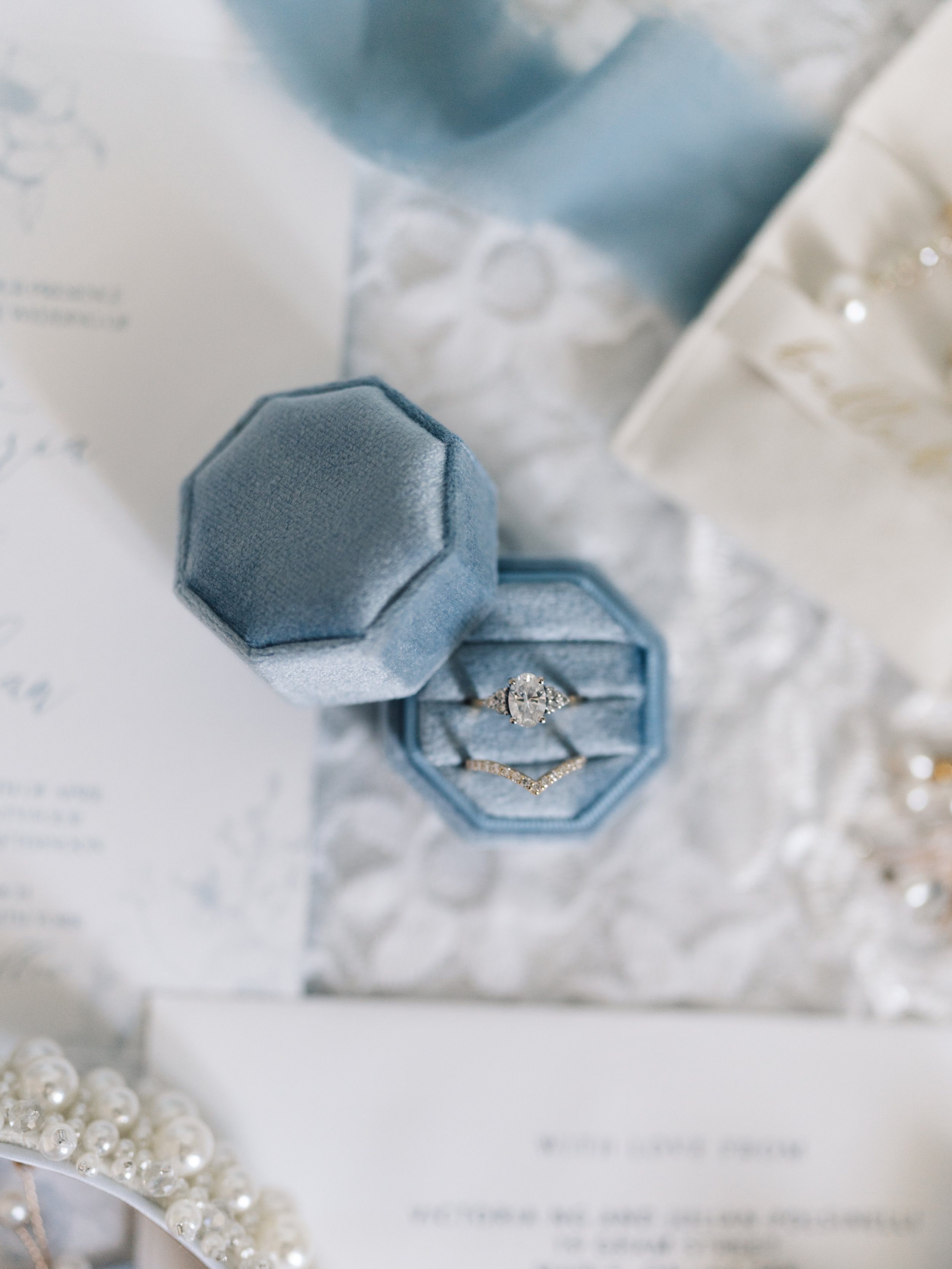
Rings
Invitation suite
Shoes
Perfume / cologne
Jewelry
Veil
Vow books
Anything curated or sentimental (an heirloom piece, handkerchief, matchboxes, brooch, guestbook, etc)
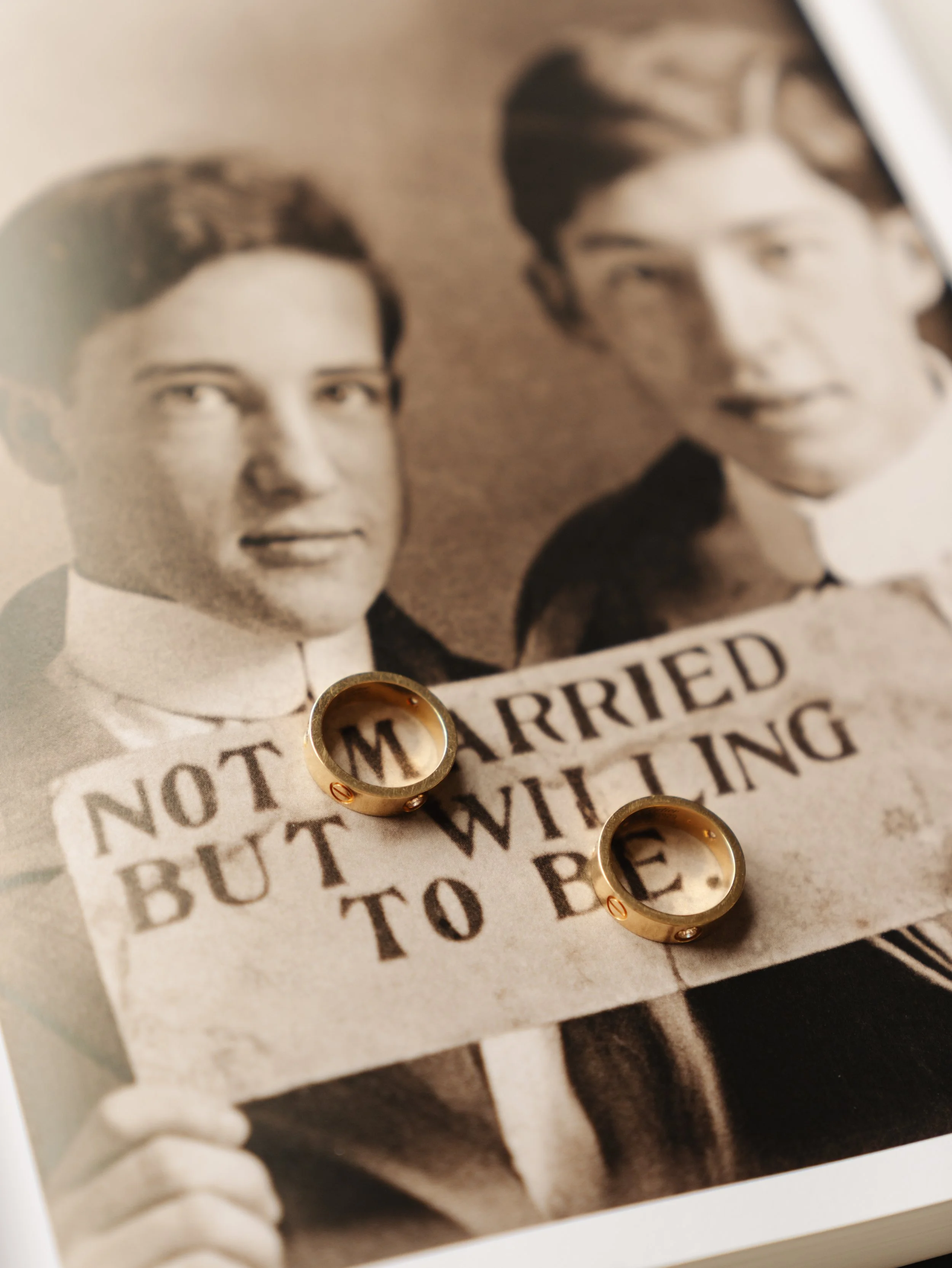
We love when couples choose a coffee table book for their guests to sign during the reception. It makes for a beautiful keepsake, and we always have fun incorporating the pages into the detail photos.
07 - Family Photos
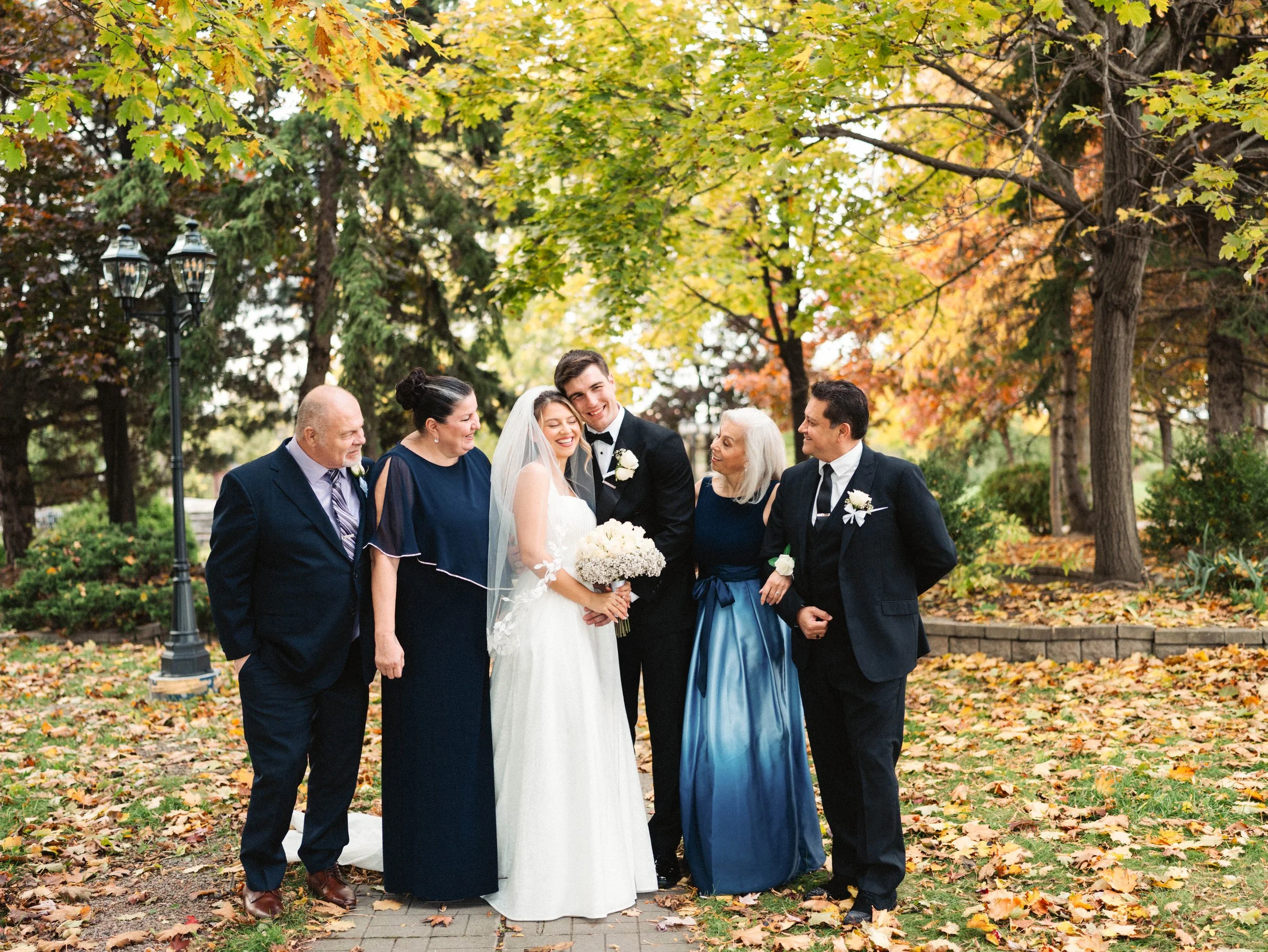
Family portraits move much more smoothly when everyone is prepared. We recommend creating a short list of key groupings, such as:
• Couple + both families
• Couple + immediate family
• Couple + grandparents
• Couple + siblings
Try to keep the list to around 10 combinations so this portion stays efficient. Having a family member help gather people is extremely helpful.
09 - Being Fully Present
Some of the most powerful photos happen when couples simply forget the camera is there. A few reminders:
• Be with your people
• Laugh loudly
• Hug often
• Take it all in
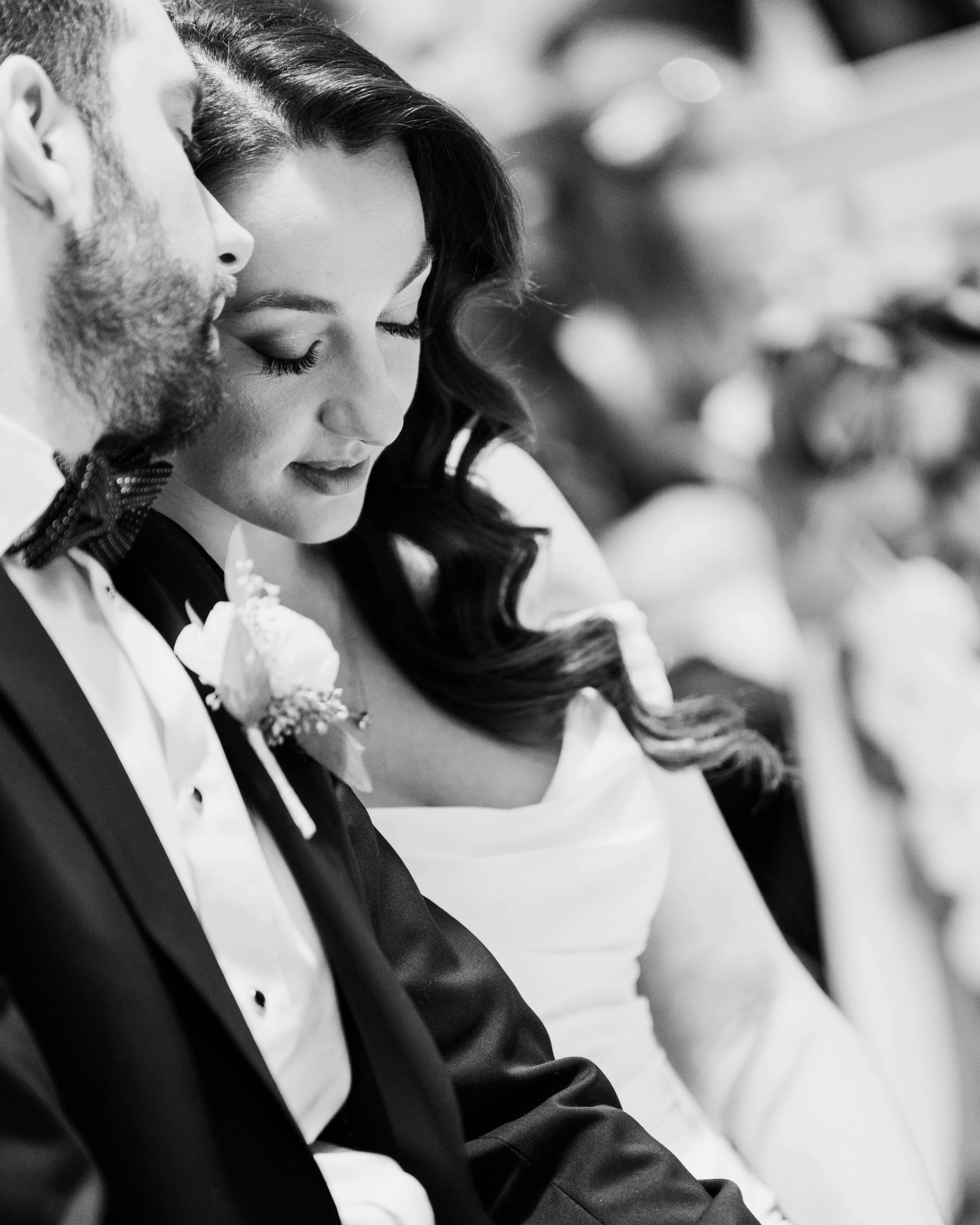
Don’t worry about smiling a certain way or what angle you look best from. If you are present and happy, you will look great in the photos. The more present you are, the more meaningful your photographs will feel.
11 - Album & Prints
04 - Engagement Sessions
Engagement sessions are one of our favourite parts of the process. They help you:
• Get comfortable in front of the camera
• Learn how we guide and direct
• Create photos you can use for invitations or your wedding website
Location ideas
• Meaningful places to you (a favourite cafe, engagement or first date spot, etc)
• Nature / parks
• Urban streets
• Your home
The best engagement photos happen when the location feels like you.
06 - Building a Timeline
A well-planned timeline allows you to relax and fully enjoy your wedding day.
Around 4–6 weeks before the wedding, we’ll work with you to finalize the photography timeline so the day flows naturally and there is enough time for everything without feeling rushed.
If you have a wedding planner or coordinator, we will collaborate closely with them while building the timeline to ensure photography fits seamlessly into the overall schedule of the day.
We will help plan time for:
• Getting ready
• First look (if you choose one)
• Wedding party photos
• Family portraits
• Couple portraits
• Golden hour photos
One of our biggest pieces of advice: Always build in buffer time. It allows the day to breathe and helps keep things calm if anything runs a little behind — which is very normal on wedding days.
08 - Golden Hour
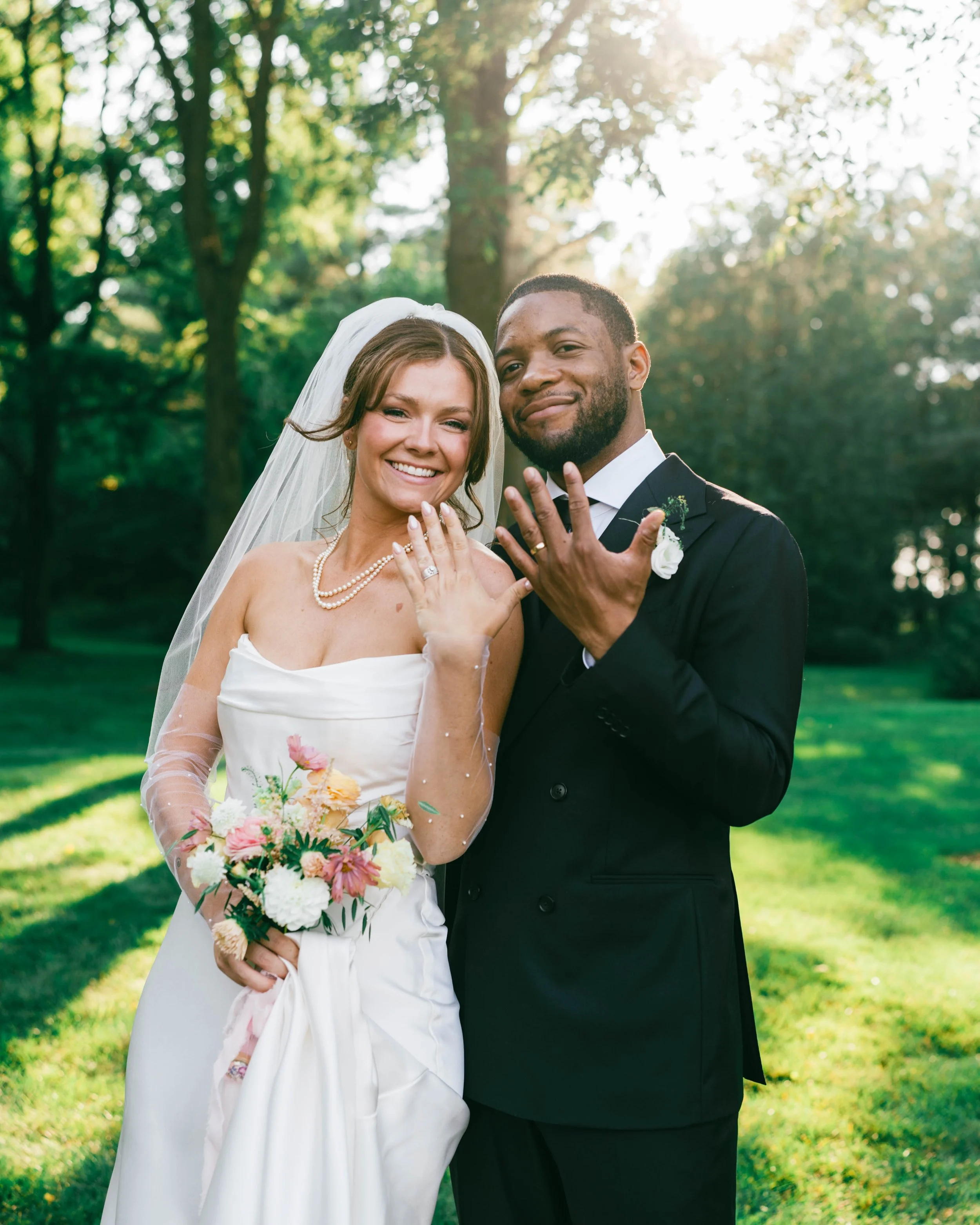
Golden hour is the last hour before sunset, when the light becomes soft, warm, and very flattering. If timing allows, we usually recommend stepping away for 10–15 minutes for a few quiet portraits together.
Whether golden hour is possible depends on your venue and whether the light is visible on the property. Some venues have open spaces with beautiful sunset light, while others may have trees or buildings that block it.
Closer to the wedding, we’ll review your venue and timeline to see if golden hour portraits will work. When the light shows up, it can create some of the most beautiful photos of the day.
10 - Delivery
After the wedding you’ll receive:
Sneak Peeks within 1–2 weeks. This will include approximately 30-70 photos.
A Full Gallery within 7–9 weeks, This will include approximately 500+ photos.
Your gallery will include fully edited high-resolution images that can be downloaded, shared, and printed.
Your photos deserve to live beyond a screen.
Your final gallery will be delivered through Pixieset, where you’ll be able to easily download your images, share them with family and friends, and order professional prints and photo books directly through the gallery.
You are also welcome to print your photos through third-party printers of your choice if you prefer.
For couples looking for something more heirloom-quality, we also offer luxury albums through Dekora. These albums are handmade and designed to last for generations.
If you’re interested in a Dekora album, we will personally design the layout for you. Because these are custom-made, there is a design fee along with the cost of the album itself, depending on the size and materials you choose.
We’re always happy to help guide you through the options after your gallery is delivered.
12 - We Are Always Here
Planning a wedding comes with a lot of moving pieces. If you ever need help with:
Timeline questions
Location ideas
Lighting considerations
Photography advice
Vendor Recommendations
Please reach out anytime. We are here for you!
Here’s what the process typically looks like after booking:
1 — Welcome & Planning Begins
Once everything is confirmed, we’ll create a WhatsApp group chat with the two of you so we can stay connected throughout the planning process. This makes it easy to share ideas, send inspiration, ask quick questions, and keep communication simple leading up to the wedding. We’re always happy to share ideas, opinions, or help at all with decisions.
We also love to meet for coffee at least once before your engagement session if you’re local. It’s a great opportunity for us to sit down together, talk about your wedding vision, and get to know each other in person.
If you’re not local, we’ll schedule a video call instead. Our goal is always the same — we truly want to get to know our couples as people. The more we understand who you are and what matters most to you, the better we can photograph your day in a way that feels honest and personal.
Sometimes we’ll meet again closer to the wedding as well, especially if you’re nearby.
2 — Engagement Session
If your package includes one, we’ll schedule it roughly 4–10 months before the wedding.
This is a great way for us to get comfortable working together.
3 — Mood Board & Vision
Closer to the wedding we’ll create a shared mood board that reflects the tone, style, and energy of your day.
4 — Timeline Planning
Around 6–8 weeks before the wedding, we’ll help finalize your photography timeline.
5 — Wedding Day
You focus on the moment — we’ll focus on documenting it.
6 — Sneak Peeks
A small preview gallery arrives within 1–2 weeks.
7 — Final Gallery
Your full gallery is delivered 7–9 weeks after the wedding.
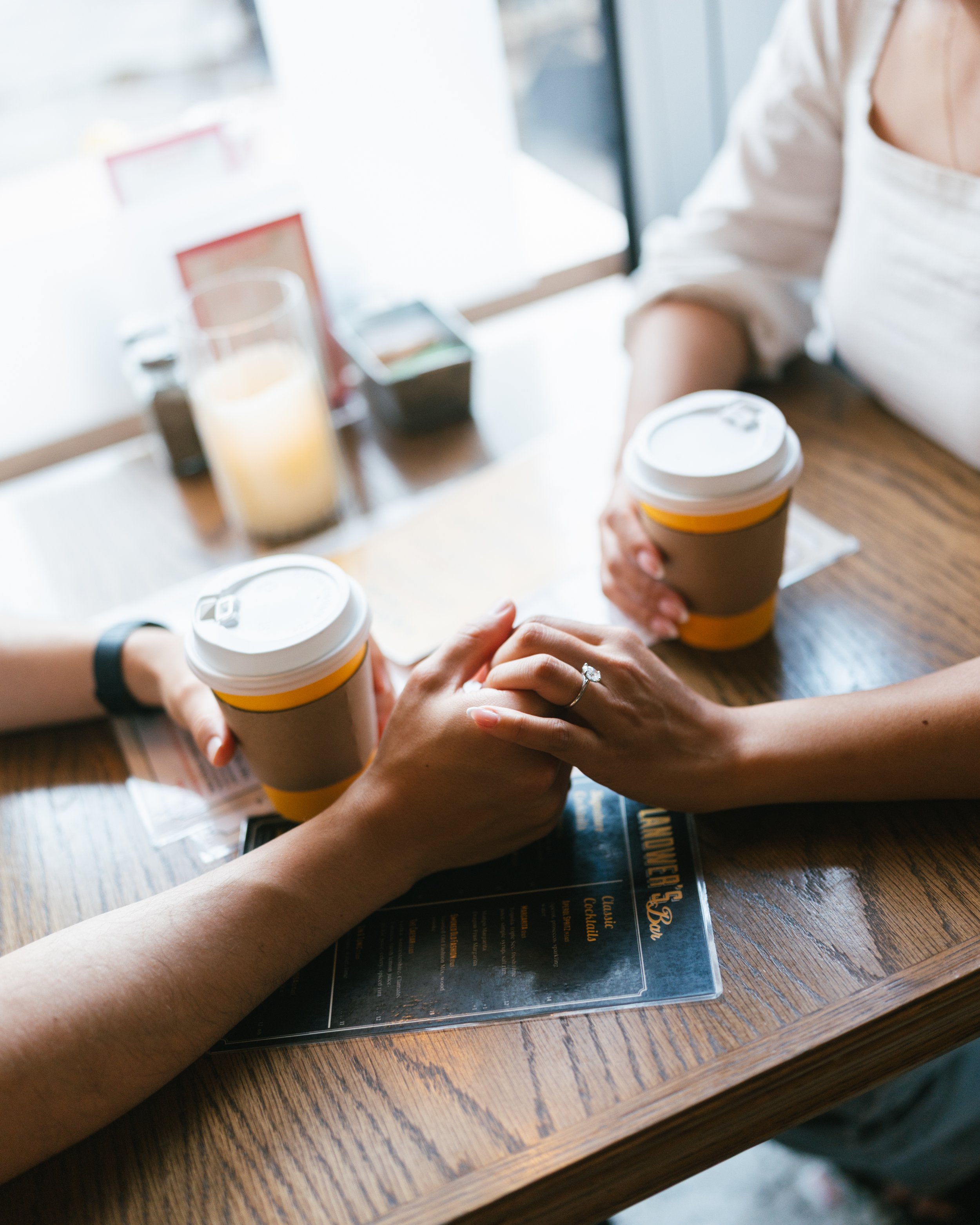
The most meaningful photographs aren’t posed — they’re felt.
How To Look Natural In Photos
One of the most common things couples tell us is:
“We’re awkward in photos.”
The truth is — almost everyone feels that way at first. Our job isn’t to make you pose constantly. Instead, we guide you with small prompts and movement so your photos feel natural and relaxed.
A few simple tips:
• Focus on each other, not the camera
• Stay close — touch, hold hands, lean in
• Move slowly and naturally
• Laugh when something feels silly
The best photos happen when you forget the camera is there and just enjoy the moment together. You don’t need to perform — just be yourselves.
Example Wedding Day Timelines
Every wedding is different, but here are two common examples to help you visualize how photography fits into the day.
Example Timeline (With First Look)
1:30 – Photographer arrives / getting ready
2:15 – Details & candid moments
3:00 – First look
3:15 – Couple portraits
3:45 – Wedding party photos
4:30 – Family photos
5:00 – Ceremony
5:30 – Cocktail hour
6:30 – Reception entrance
7:00 – Dinner
8:15 – Golden hour portraits
9:00 – Dancing
Example Timeline (Without First Look)
1:30 – Photographer arrives / getting ready
2:15 – Details & candid moments
3:30 – Wedding party photos (separate)
4:30 – Ceremony
5:00 – Family photos
5:30 – Couple portraits
6:00 – Cocktail hour
6:45 – Reception entrance
7:00 – Dinner
8:30 – Golden hour portraits
9:00 – Dancing
We will help build a timeline that feels relaxed and allows the day to unfold naturally.
Wedding Morning Checklist
A little preparation can make the morning feel calm and organized. We recommend having these items ready in one place for photos:
Details
• Wedding rings
• Invitation suite
• Shoes
• Jewelry
• Veil
• Perfume / cologne
• Vow books
• Any heirlooms or sentimental items
Helpful Tips
• Choose a getting ready space with good natural light
• Keep the room tidy if possible
• Wear something you feel comfortable in before getting dressed
• Allow extra time — mornings often run behind
The goal is a slow, relaxed start to the day.
Rain Plan Tips
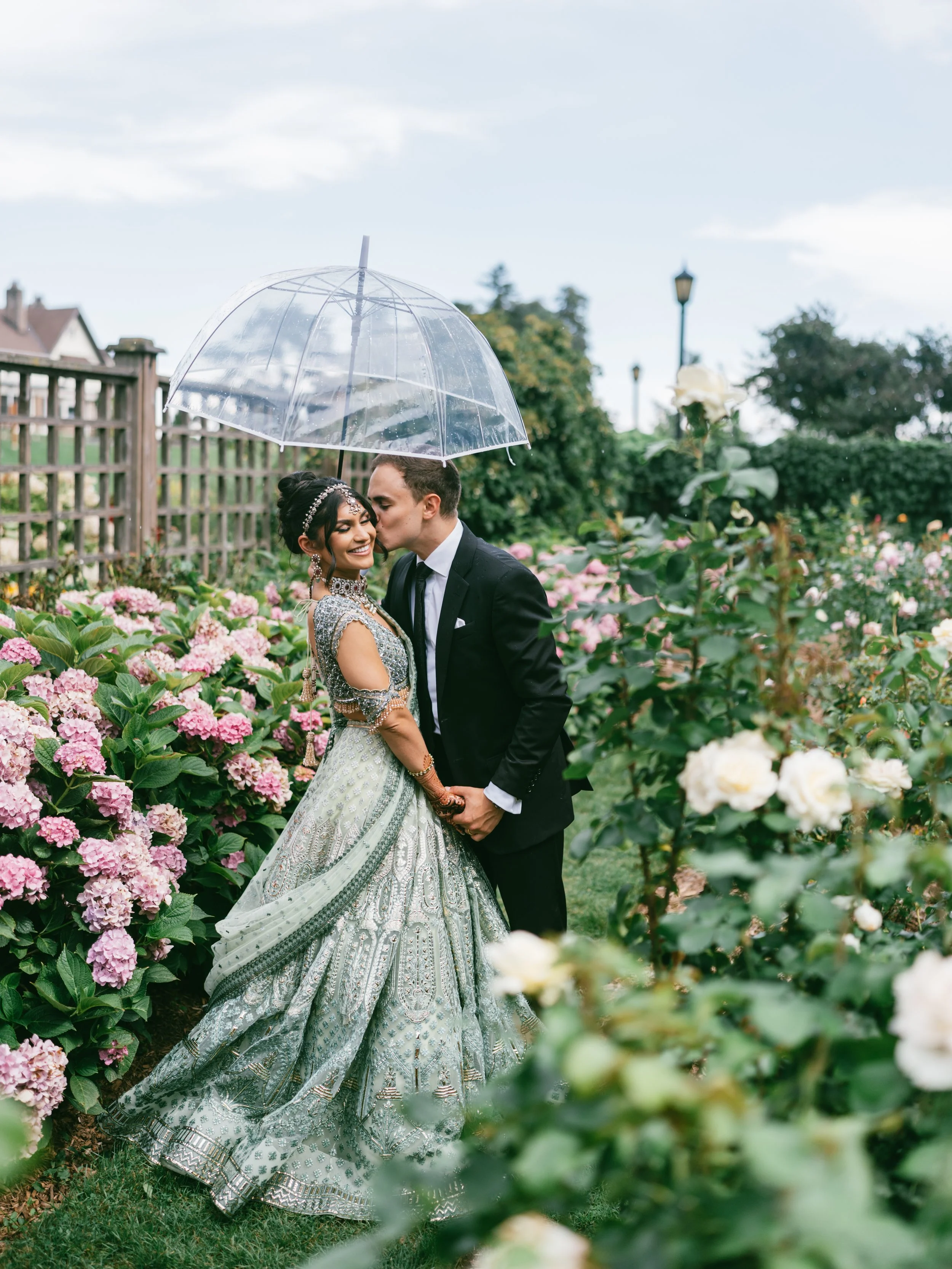
Rain on a wedding day is more common than you might think — and it can actually create beautiful, atmospheric photos.
If rain is in the forecast, we recommend:
• Having clear or neutral umbrellas available
• Identifying covered outdoor areas at your venue
• Looking for indoor spaces with large windows or good light
We will always adapt to the conditions and find creative ways to make the most of the day. We have about 8 clear umbrellas we always pack in our car, just incase! Some of the most romantic photos we’ve ever taken have been in the rain.
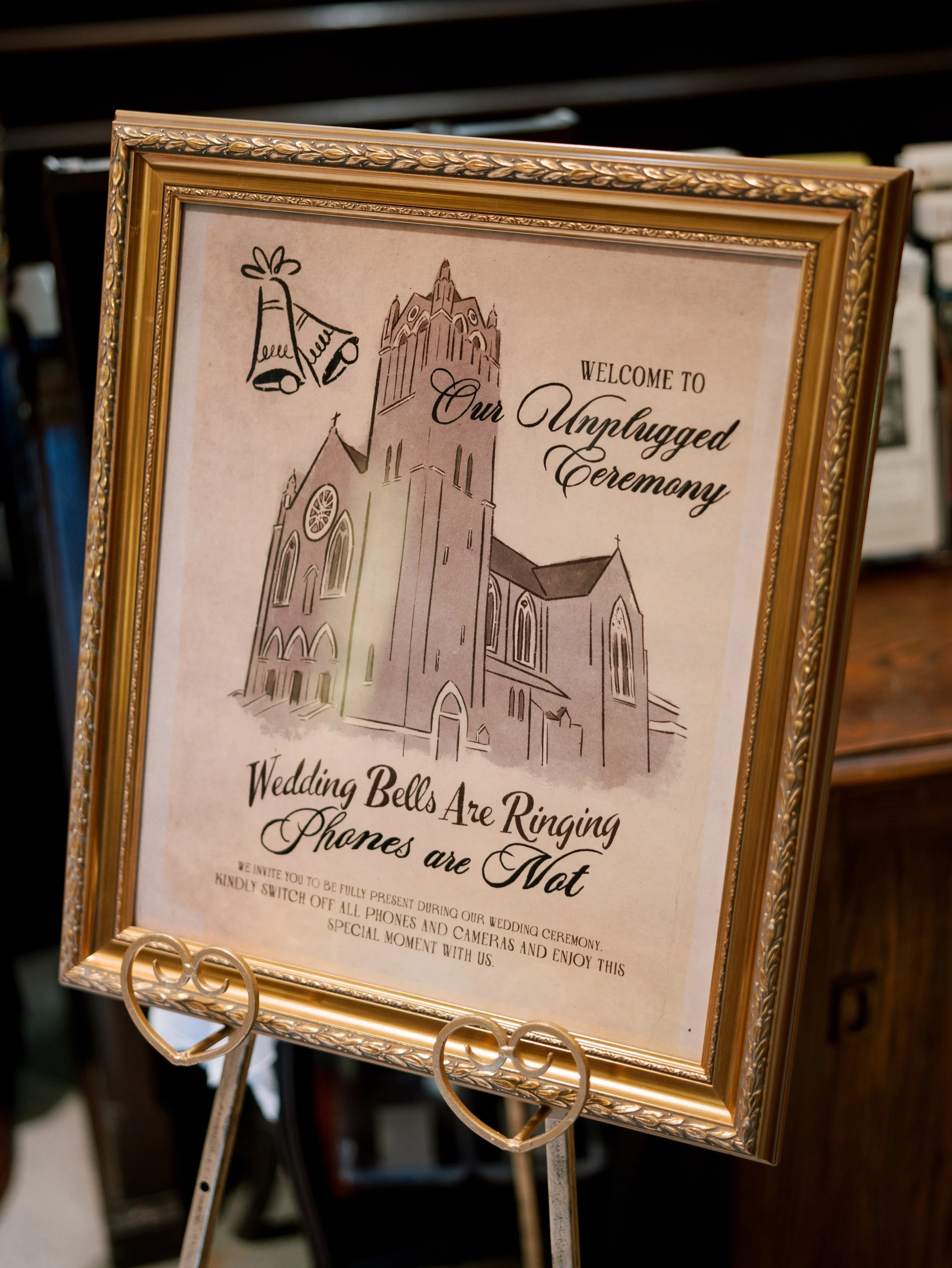
Unplugged Ceremony
Many couples choose to have an unplugged ceremony, meaning guests are asked to put away phones and cameras during the ceremony.
This allows everyone to be fully present and also ensures that your professional photos are not blocked by phones or tablets in the aisle. It also means your guests experience the moment with you rather than through a screen.
If this is something you’re considering, a simple announcement from your officiant or a small sign at the ceremony entrance usually works perfectly.
PREFERRED VENDORS
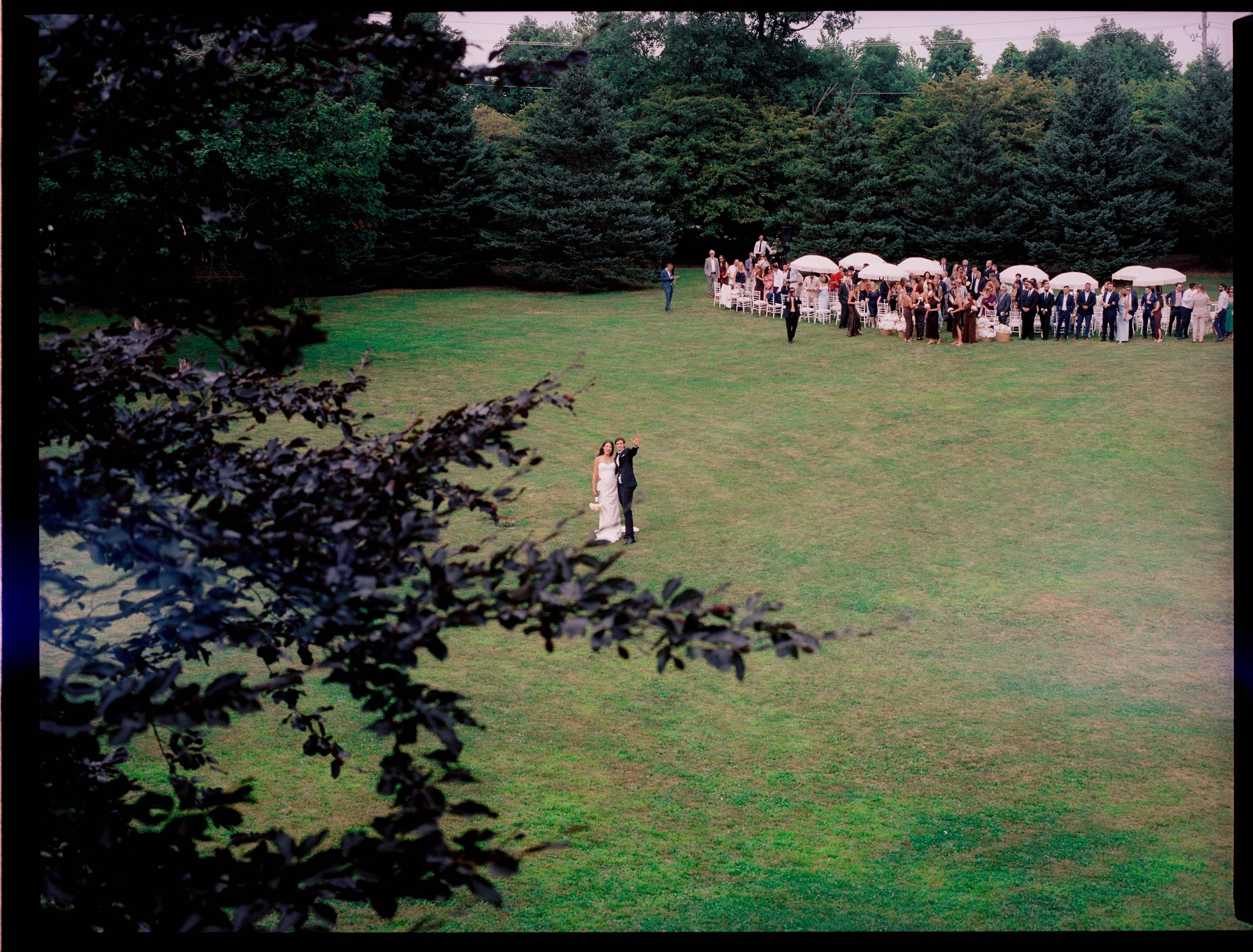
Over the years, we’ve had the pleasure of working alongside some truly incredible vendors. We’ve put together a collection of our favourites — talented people we trust, admire, and genuinely love having by our side on a wedding day.
PLEASE NOTE: We are aware that some of these vendors have very out-dated websites and socials. These are all people we’ve seen work full in person or booked for our own wedding. Regardless of their online platforms, they each have quality services, are reasonably priced, and lovely to work with.
MAKEUP - Sydney Penwell
HAIR - Kate Francis
DRESS - The Vintage Bride
FLORALS - In2Flowers
PHOTO BOOTH - Vango
DANCE FLOOR WRAP - Paragon Designs
VIDEO - Seven Oak Media
SUIT - Calabretta
PLANNING/DAY OF COORDINATOR - Eternal Bliss Events
DAY OF COORDINATOR - Sabina Cichy
DJ - NIIIVLA
BAND - Dave Murphy Band, XPrime
CAKE - Lucia Crupi
Your Questions, Answered
-
Rather than taking you away for a long block of time, we prefer to spread portraits out throughout the day.
We typically plan for three short sessions of about 20 minutes each, which allows us to capture a variety of looks and lighting without keeping you away from your guests for too long.
For example, this might include:
• A short session before the ceremony (if you’re doing a first look)
• Golden hour portraits if the light appears
• A fun late-night flash session during the receptionThis approach keeps portraits feeling relaxed while also giving you more variety in your final gallery.
-
We don’t typically require a full shot list for the day, as we photograph events naturally as they unfold. If you’d like to send us a “must haves” list for anything that might not be at a typical Wedding day (special surprises, traditions, etc), then we would love to see it! We do ask for a short family photo list so we can move through family portraits quickly and efficiently.
-
Every wedding is different, but most couples receive several hundred carefully edited images that tell the full story of the day.
-
Your photos will be delivered through Pixieset, where you can download images, share them with family and friends, and order prints or photo books.
-
Yes. You are welcome to print your photos through the Pixieset store, or through us and Dekora, or through any third-party printer of your choice.
-
We’ll create a WhatsApp group chat with the two of you so we can stay connected throughout the planning process. Feel free to send ideas, ask questions, or share inspiration anytime — we’re always happy to help.
-
Yes. Film photography is a big part of our approach and something we truly love incorporating into our work.
We typically bring both medium format and 35mm film cameras alongside our digital cameras. Film has a softness, depth, and timeless quality that is difficult to replicate digitally.
-
Both are beautiful, but they have slightly different characteristics.
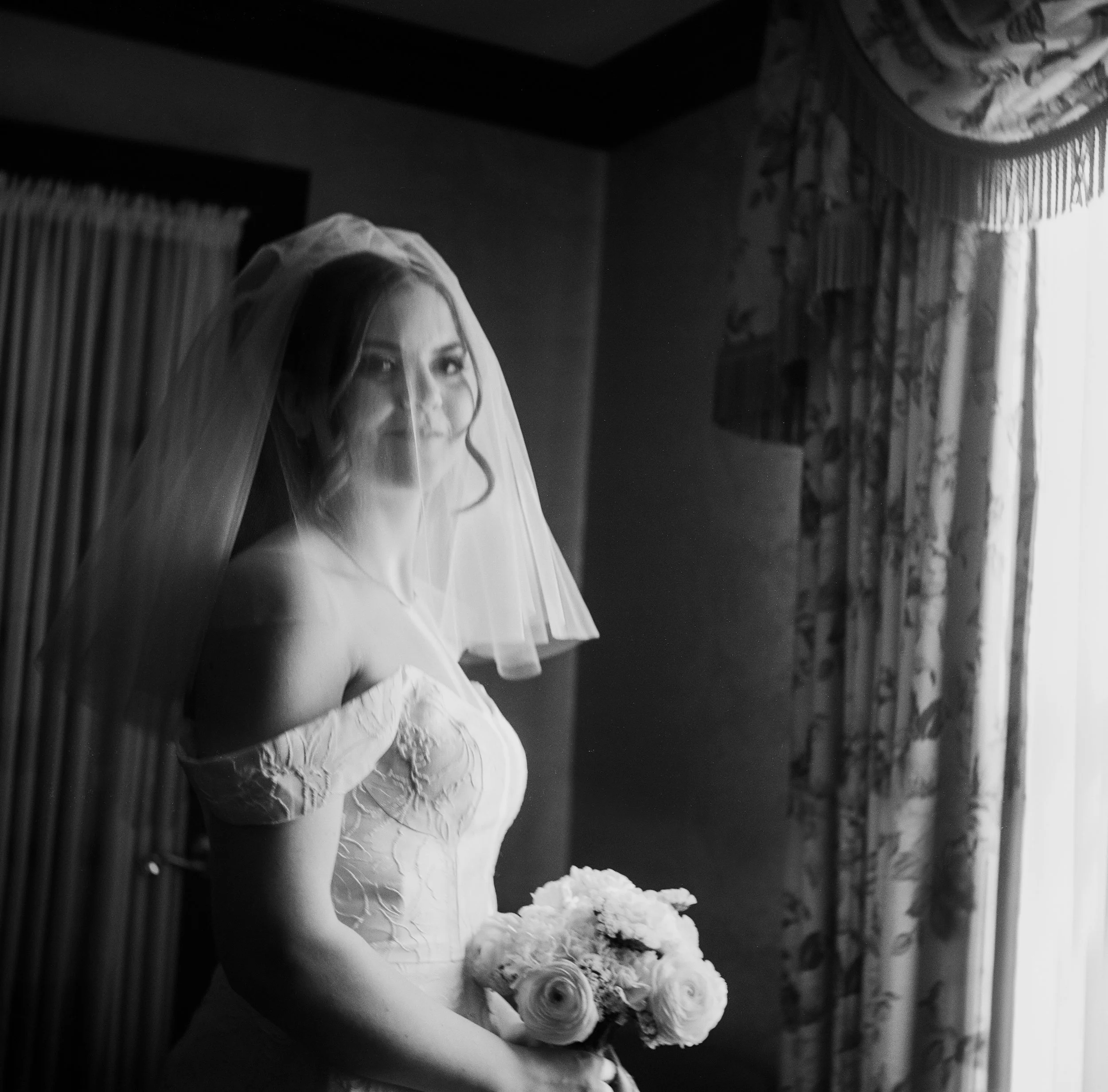
Medium format film produces very rich tones, incredible detail, and a softer, almost painterly look. We often use it for portraits and meaningful moments throughout the day.
35mm film has a slightly grainier, nostalgic feel that works beautifully for candid moments and storytelling.
Using both formats allows us to capture your wedding with a variety of textures and moods.
-
We typically shoot around 4–6 rolls of film throughout the wedding day, split between medium format and 35mm.
Because film has a limited number of exposures per roll, this usually results in approximately 80–120 film photographs depending on the format used.
Rather than shooting film continuously, we use it intentionally and often photograph about one roll per scene, such as:
• Getting ready moments
• Couple portraits
• Ceremony moments
• Reception or dance floorThis approach allows us to slow down and capture moments thoughtfully while still documenting the full story of the day.
Once the film is developed and professionally scanned, the images are edited and included seamlessly in your final gallery alongside your digital photographs.
-
Film requires careful timing and intention. Each roll contains a limited number of frames, so we use it in moments where it will have the most impact.
By combining digital and film, we’re able to capture the day reliably while still incorporating the unique beauty of film photography.
-
Digital photography allows us to capture moments quickly and reliably throughout the day. It’s what enables us to document everything as it unfolds — from candid moments to key parts of the ceremony and reception.
Film photography works a little differently. Each roll has a limited number of exposures, which naturally slows the process down and encourages a more intentional approach to photographing moments.
Because of this, we use both digital and film cameras on a wedding day.
Digital allows us to capture the full story of the day, while film adds a timeless, artistic quality that many couples love.
Film has a unique look — softer tones, natural grain, and beautiful color depth — that gives images a feeling that’s difficult to replicate digitally.
By combining both formats, we’re able to create a gallery that feels complete, emotional, and timeless.